
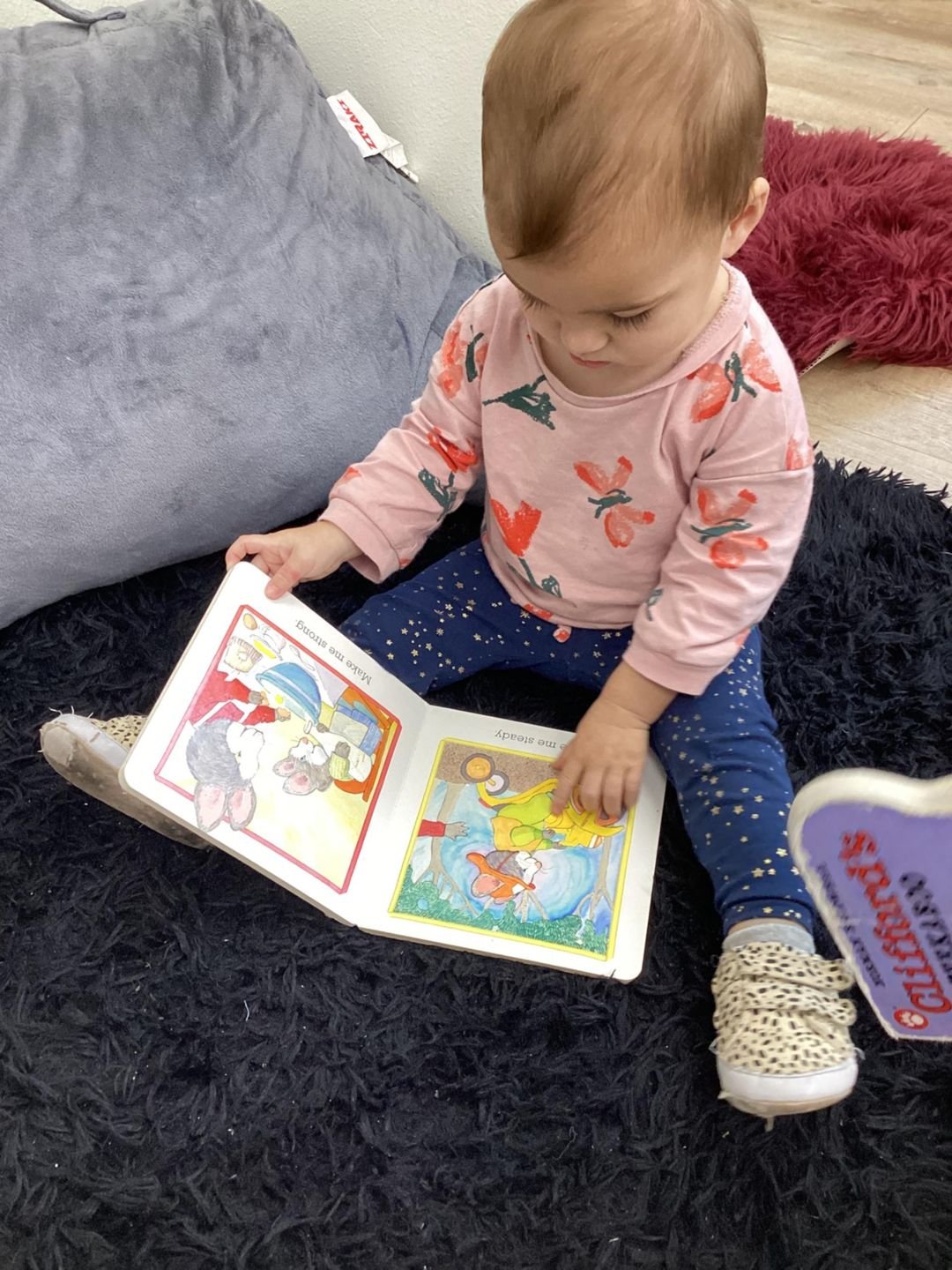
Choosing the Right Books for Montessori Learners: A Page-Turning Adventure
Ahoy, book-loving parents and Montessori enthusiasts! Are you ready to embark on a literary journey that’ll make your little ones’ eyes light up brighter than a library on free cookie day? Buckle up, because we’re about to dive into the world of Montessori-friendly books. It’s like a treasure hunt, but instead of gold, we’re after knowledge (and maybe a few giggles along the way)!
The Montessori Approach to Reading: It’s Not Just About the ABCs
Before we start filling our shopping carts with every book under the sun, let’s take a moment to understand the Montessori approach to reading. It’s not just about learning to read; it’s about nurturing a lifelong love for books. Think of it as planting a seed that’ll grow into a mighty oak of bibliophilia. (Is that a word? It is now!)
- Respect for the child: Books should respect the child’s intelligence and imagination. No dumbing down here!
- Reality-based content: Montessori emphasizes real-world content over fantasy, especially for younger children. Sorry, unicorns, you’ll have to wait your turn.
- Beautiful language: Rich vocabulary and well-crafted sentences are like brain food for little ones.
- Independence: Books that encourage self-directed exploration and learning are the name of the game.
The Great Book Hunt: What to Look For
Now that we’re armed with our Montessori compass, let’s set out on our book-hunting expedition. Here’s what to keep an eye out for:
1. Reality-Based Content: Because Real Life is Fascinating Enough
Look for books that explore the real world in all its wonder. Think nature, different cultures, historical figures, and how things work. It’s like National Geographic, but with fewer ads and more page-turning excitement!
- Nature books: “The Tiny Seed” by Eric Carle
- Cultural exploration: “Children Just Like Me” series
- Biographies: “Little People, Big Dreams” series
- How things work: “The Way Things Work Now” by David Macaulay
2. Beautiful and Accurate Illustrations: A Feast for the Eyes
In the Montessori world, we’re all about beautiful, realistic illustrations. Think less cartoon caricature, more mini-Michelangelo.
- Nature illustrations: Books by Dianna Hutts Aston and Sylvia Long
- Scientific illustrations: “Maps” by Aleksandra Mizielinska and Daniel Mizielinski
- Art books: “Katie” series by James Mayhew
3. Rich Language: Vocabulary Building that Doesn’t Feel Like Homework
Look for books that don’t shy away from using “big” words. Your little one’s brain is like a sponge, and rich language is the water it’s thirsty for!
- Poetry collections: “Where the Sidewalk Ends” by Shel Silverstein
- Classic literature adaptations: “BabyLit” series
- Vocabulary-rich picture books: Anything by Graeme Base
4. Books that Encourage Independence: DIY for the Pre-K Set
Seek out books that inspire children to do things for themselves. It’s like a how-to guide for budding independent thinkers!
- Cookbooks for kids: “Pretend Soup” by Mollie Katzen
- Gardening guides: “Roots, Shoots, Buckets & Boots” by Sharon Lovejoy
- Craft books: “The Artful Parent” by Jean Van’t Hul
5. Interactive Books: Hands-On Learning, Page by Page
Books that invite participation are like the Swiss Army knives of the literary world – multi-functional and endlessly useful!
- Lift-the-flap books: “See Inside” series by Usborne
- Tactile books: “Pat the Bunny” by Dorothy Kunhardt
- Seek-and-find books: “I Spy” series
Age-Appropriate Book Selection: Because One Size Doesn’t Fit All
Just like you wouldn’t give a toddler a copy of “War and Peace” (unless you’re raising a very precocious Russian literature enthusiast), book selection should be age-appropriate. Let’s break it down:
0-3 Years: The “Everything is Potentially Edible” Stage
- Sturdy board books (because they double as teething toys)
- Books with simple, realistic images of everyday objects
- Books with repetitive text for language development
- Recommended: “Global Babies” series, “First 100 Words” by Roger Priddy
3-6 Years: The “Why? Why? Why?” Phase
- Picture books with more complex stories
- Non-fiction books about nature, science, and different cultures
- Books that introduce phonics and early reading skills
- Recommended: “The Listening Walk” by Paul Showers, “Anno’s Counting Book” by Mitsumasa Anno
6-9 Years: The “I Can Read It Myself!” Era
- Chapter books for independent reading
- More advanced non-fiction on a wide range of topics
- Books that explore complex emotions and social situations
- Recommended: “The Story of the World” series by Susan Wise Bauer, “Magic Tree House” series by Mary Pope Osborne
Creating a Montessori-Friendly Reading Nook: If You Build It, They Will Read
Now that you’ve got a treasure trove of Montessori-approved books, it’s time to create the perfect reading environment. Think of it as a literary oasis in the desert of screens and noisy toys.
- Low shelves: Make books easily accessible. Your little one should be able to grab a book without performing gymnastics.
- Cozy seating: A child-sized armchair or a pile of soft cushions. It should be so comfy that you’re tempted to curl up there yourself.
- Good lighting: Natural light is best, but a soft lamp works too. We’re going for “cozy reading nook,” not “dark cave of mystery.”
- Book display: Show book covers facing outward. It’s like window shopping, but for literature!
- Rotate regularly: Keep the selection fresh and exciting. It’s like having a mini library that magically updates itself.
The Final Chapter: Fostering a Love of Reading
Remember, the goal isn’t just to teach reading; it’s to nurture a lifelong love affair with books. Here are some final tips to keep the literary love alive:
- Read together daily: It’s like watering a plant, but instead of a plant, you’re growing a reader.
- Let them choose: Sometimes, the best book is the one they pick themselves (even if it means reading about trucks for the 100th time).
- Be a reading role model: Let them catch you reading for pleasure. It’s the good kind of peer pressure!
- Visit libraries and bookstores: Treat it like a field trip to a literary wonderland.
- Don’t force it: Reading should be a joy, not a chore. If they’re not in the mood, try again later.
And there you have it, fellow book adventurers! You’re now equipped to navigate the vast sea of children’s literature with your Montessori compass. Remember, every book is a new world waiting to be explored, a new adventure waiting to unfold. So grab a book, snuggle up with your little one, and set sail on a reading journey that’ll last a lifetime.
Now, if you’ll excuse me, I have a date with a certain hungry caterpillar. Happy reading, everyone!