
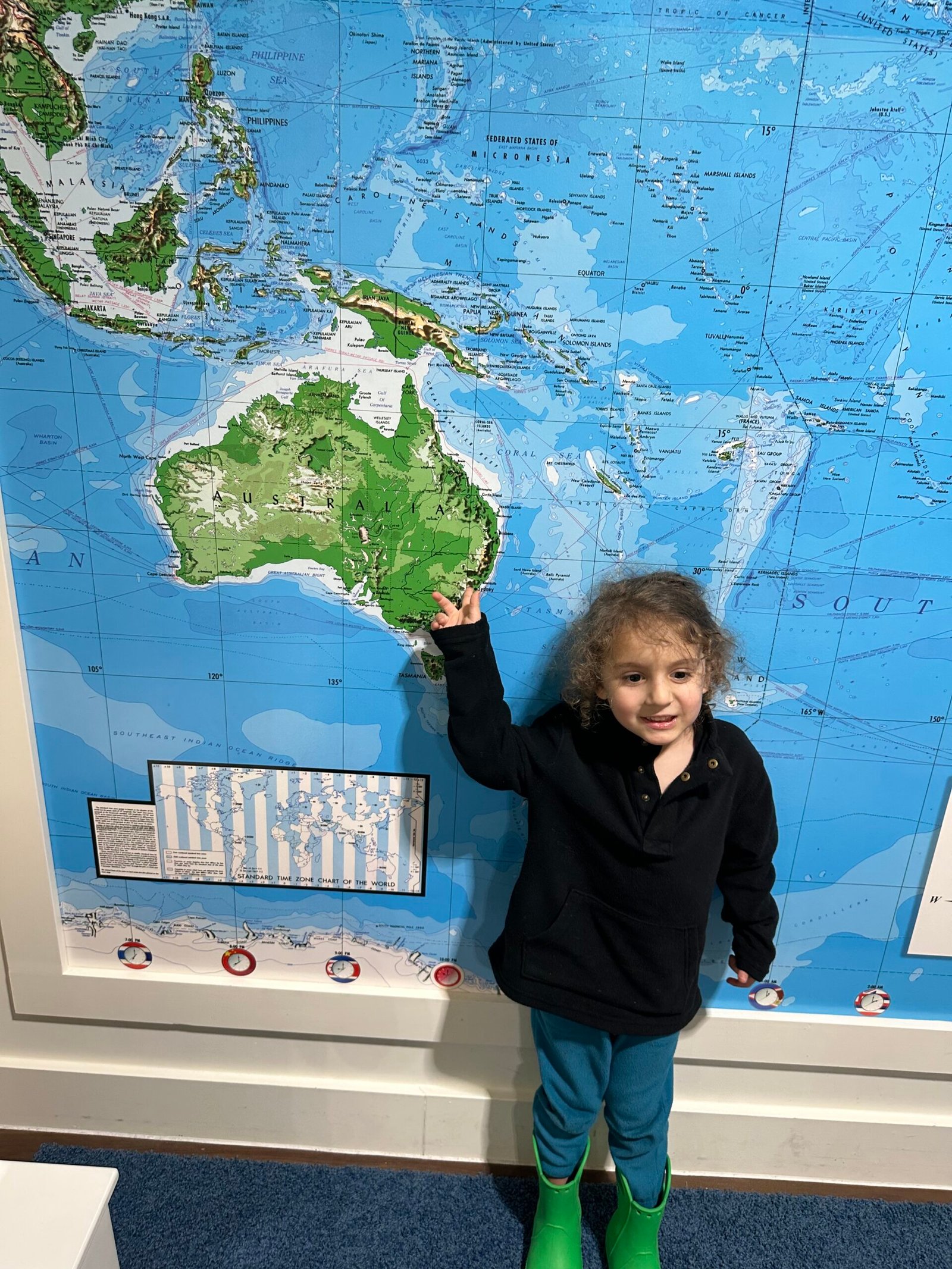
Welcome, parents and guardians of future world travelers, diplomats, and possibly the next Secretary-General of the UN! Are you ready to embark on a globe-trotting adventure without leaving your living room? Buckle up (or should I say, fasten your imaginary seatbelts) as we explore how Montessori introduces cultural studies and turns tiny humans into mini global citizens. No passport required, but a sense of wonder and an open mind are absolutely essential!
Why Cultural Studies in Montessori? (Because the World is Bigger Than Your Backyard)
Before we start our whirlwind tour of Montessori cultural studies, let’s talk about why learning about the world is more crucial than ever:
- Global Awareness: Because knowing the world goes beyond pointing at countries on a map.
- Respect for Diversity: Teaching kids that different doesn’t mean weird or wrong.
- Peace Education: Fostering understanding and empathy across cultures. World peace, one preschooler at a time!
- Environmental Consciousness: Understanding our planet to better protect it. Captain Planet would be proud!
- Self-Awareness: Helping children understand their place in the big, wide world.
The Montessori Approach to Cultural Studies: A World Tour in Miniature
In the Montessori world, cultural studies aren’t just about memorizing capital cities or coloring flags (though that can be fun too). It’s a holistic approach that brings the world to life in tangible, engaging ways. Let’s break it down:
1. Geography: The World at Their Fingertips
Montessori geography isn’t just about knowing where things are; it’s about understanding how the world fits together:
- Sandpaper Globe: A tactile introduction to land and water. It’s like a stress ball, but educational!
- Puzzle Maps: Continents and countries as puzzle pieces. Geography and fine motor skills in one!
- Land and Water Forms: Miniature models of islands, lakes, and more. It’s like a tiny water park, minus the lines and overpriced snacks.
- Flags of the World: Because nothing says “I’m culturally aware” like being able to identify Kyrgyzstan’s flag at age 5.
2. Science: Nature’s Wonders Unveiled
Montessori science in cultural studies is all about understanding our place in the natural world:
- Botany: Exploring plant life from around the globe. It’s like having a garden, but without the backache.
- Zoology: Learning about animals and their habitats. Warning: May result in requests for exotic pets.
- Astronomy: Discovering our solar system and beyond. Flat Earth theory debunked by age 4!
- Geology: Rocks, minerals, and earth processes. For kids who think rocks rock!
3. History: Time Travel on a Budget
Montessori brings history to life, making it relatable and fascinating for young minds:
- Timeline of Life: From single-cell organisms to humans. It’s evolution, baby!
- Fundamental Needs of Humans: Understanding how people across time and cultures meet basic needs. Spoiler: We all need food and shelter.
- Cultural Artifacts: Hands-on exploration of items from different cultures. It’s like a museum, but touchable!
- Great Stories: Narrative-based approach to big historical concepts. History: now with 100% more plot twists!
4. Art and Music: Creativity Knows No Borders
Cultural studies in Montessori wouldn’t be complete without exploring the world’s artistic expressions:
- Art from Around the World: Exploring different styles and techniques. Van Gogh, meet finger painting.
- World Music: Listening to and creating music from various cultures. Warning: May result in impromptu living room concerts.
- Cultural Crafts: Hands-on projects inspired by global traditions. Origami cranes everywhere!
- Dance and Movement: Exploring cultural dances. It’s like a tiny, uncoordinated UN assembly.
Montessori Cultural Activities: Bringing the World to Your Living Room
Ready to turn your home into a mini United Nations? Here are some Montessori-inspired cultural activities to try:
1. The Continent Box Bonanza
Create boxes filled with items representing each continent:
- Include photos, artwork, small flags, and cultural objects.
- Add books, music, and even food recipes from the continent.
- Let your child explore one continent at a time.
- Pro tip: Save the Antarctica box for a hot day. Instant air conditioning!
2. The Great Geography Scavenger Hunt
Turn your home or neighborhood into a global adventure:
- Hide pictures or objects from different countries around the house or yard.
- Give clues based on geographical features or cultural facts.
- Have kids match found items to a world map.
- Winner gets to choose the country for your next pretend vacation!
3. The International Cuisine Cooking Show
Explore the world through taste buds:
- Choose a country and research a simple, traditional recipe.
- Cook together, discussing the ingredients and their origins.
- Set the table with decorations inspired by the country.
- Eat with traditional utensils if possible. Chopstick skills: engage!
4. The Global Art Gallery
Create art inspired by different cultures:
- Research art styles from various countries.
- Try recreating famous works or techniques.
- Host a gallery opening with cheese and grape juice.
- Don’t forget the tiny berets for that authentic art critic look.
5. The World Music Jam Session
Explore global rhythms and melodies:
- Listen to music from different cultures.
- Make simple instruments inspired by various countries.
- Have a family dance party featuring global tunes.
- Prepare for impromptu conga lines. Resistance is futile.
Bringing the World Home: Tips for Culturally Conscious Parenting
Want to raise a global citizen but can’t fit a world tour into your schedule (or budget)? Here are some everyday ways to introduce cultural awareness:
- Diverse Reading Material:
- Stock your bookshelf with stories from various cultures.
- Look for books featuring diverse characters and settings.
- Explore folktales and myths from around the world.
- Pro tip: “Where’s Waldo?” counts as a geography lesson. You’re welcome.
- Celebrate Global Festivals:
- Research and celebrate holidays from different cultures.
- Discuss the meaning and traditions behind each celebration.
- Warning: May result in a very busy calendar and a house permanently decorated for some obscure holiday.
- Learn a New Language Together:
- Use apps, videos, or classes to explore a new language.
- Practice basic phrases in everyday situations.
- Embrace mistakes. “Where is the biblioteca?” is a perfectly acceptable greeting.
- Virtual Travel:
- Use online resources to take virtual tours of famous landmarks.
- Watch age-appropriate documentaries about different countries.
- Have a pretend “flight” to a new destination complete with airline snacks and uncomfortable seating for authenticity.
- Cultural Exchange Playdates:
- Connect with families from different cultural backgrounds.
- Share foods, games, and traditions.
- Build a diverse community. It takes a global village!
The Do’s and Don’ts of Montessori Cultural Studies at Home
Before you turn your living room into a miniature Model UN, keep these tips in mind:
Do:
- Embrace curiosity and questions about differences.
- Focus on similarities as well as differences between cultures.
- Use correct terminology for cultural items and practices.
- Admit when you don’t know something and research together.
- Celebrate diversity in your community and family.
Don’t:
- Rely on stereotypes or oversimplifications of cultures.
- Treat other cultures as exotic or strange.
- Forget that cultures are living, evolving things, not museum exhibits.
- Ignore the complexity and diversity within cultures.
- Forget to examine your own cultural biases and assumptions.
The World is Your Classroom: Final Thoughts on Montessori Cultural Studies
Congratulations! You’re now equipped to raise a tiny global citizen who can probably name more countries than most adults and isn’t afraid to try sushi (results may vary). Remember, the goal of Montessori cultural studies isn’t to create walking encyclopedias, but to foster open-minded, curious individuals who see the beauty in our world’s diversity.
As you embark on this global adventure with your little one, remember that every interaction, every story, and every meal can be a cultural learning experience. The world is vast and wonderful, full of differences to celebrate and similarities to cherish. And the best part? You get to explore it all together, one Montessori-inspired activity at a time.
So go forth and explore! Learn, laugh, and maybe accidentally start an international incident in your kitchen (who knew making sushi could be so messy?). Embrace the journey of raising a global citizen, complete with its mispronounced foreign words, geographically incorrect play scenarios, and the occasional confusion about why we can’t just hop on a plane to visit the pyramids for afternoon tea.
Remember, in this grand adventure of cultural exploration, it’s not about perfect knowledge or flawless pronunciation. It’s about opening hearts and minds to the beautiful tapestry of human experience that makes up our world. It’s about fostering curiosity, empathy, and a genuine interest in others. And who knows? Your little Montessori explorer might just teach you a thing or two about seeing the world through fresh, wonder-filled eyes.
Now, if you’ll excuse me, I have a date with a 5-year-old who’s insisting we build a replica of the Great Wall of China in the living room. Wish me luck – I may need it more than they do! Here’s to raising tiny global citizens, one culturally enlightening mess at a time. The world is waiting – let’s go explore it!